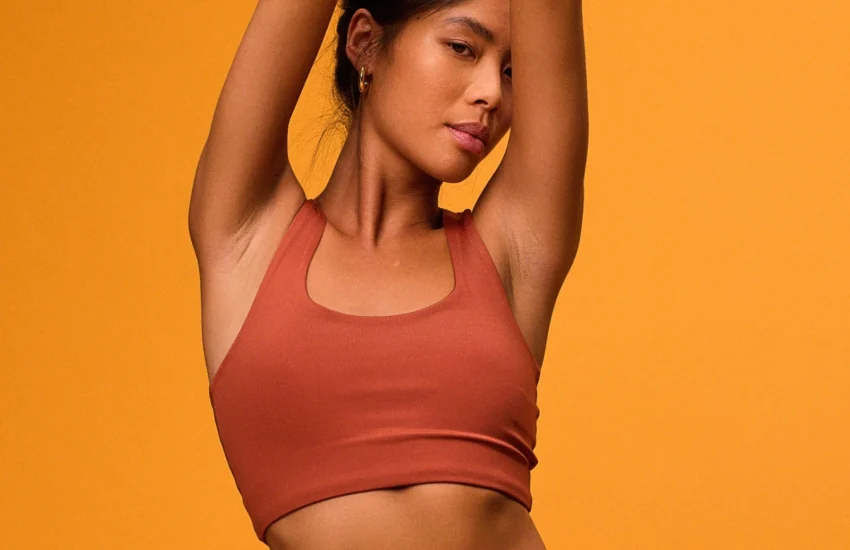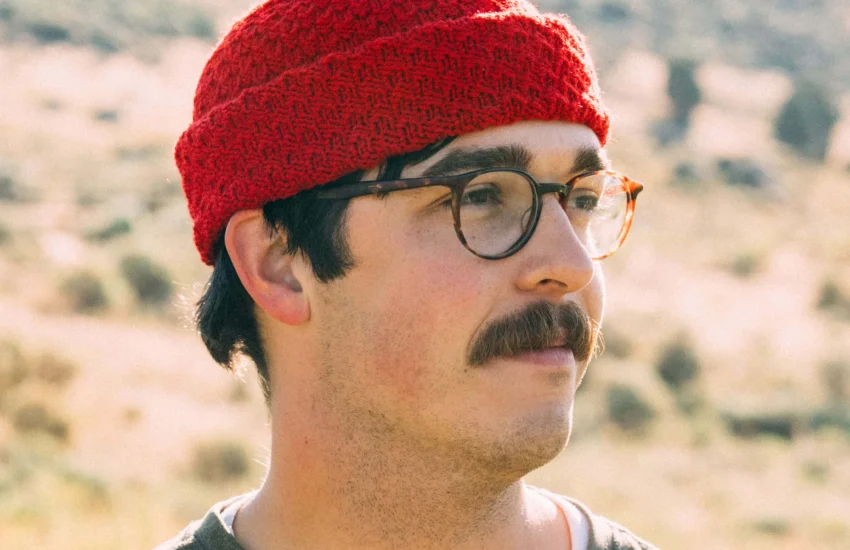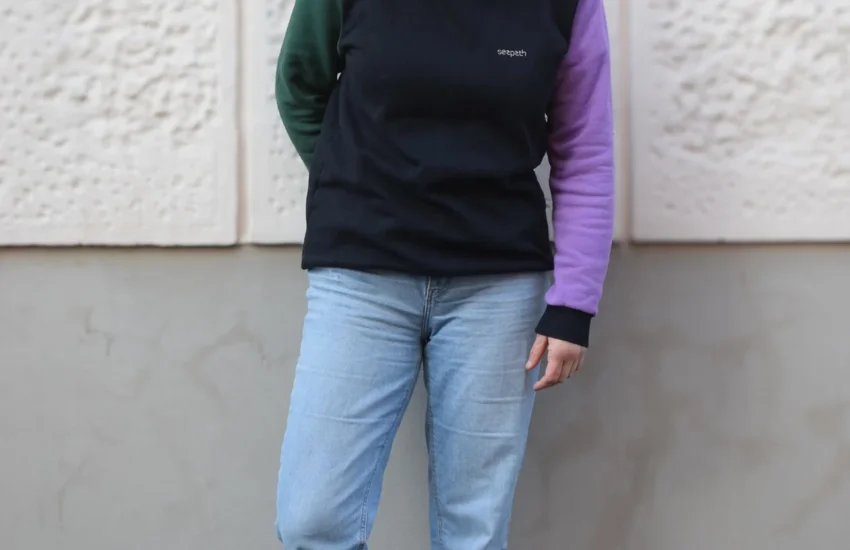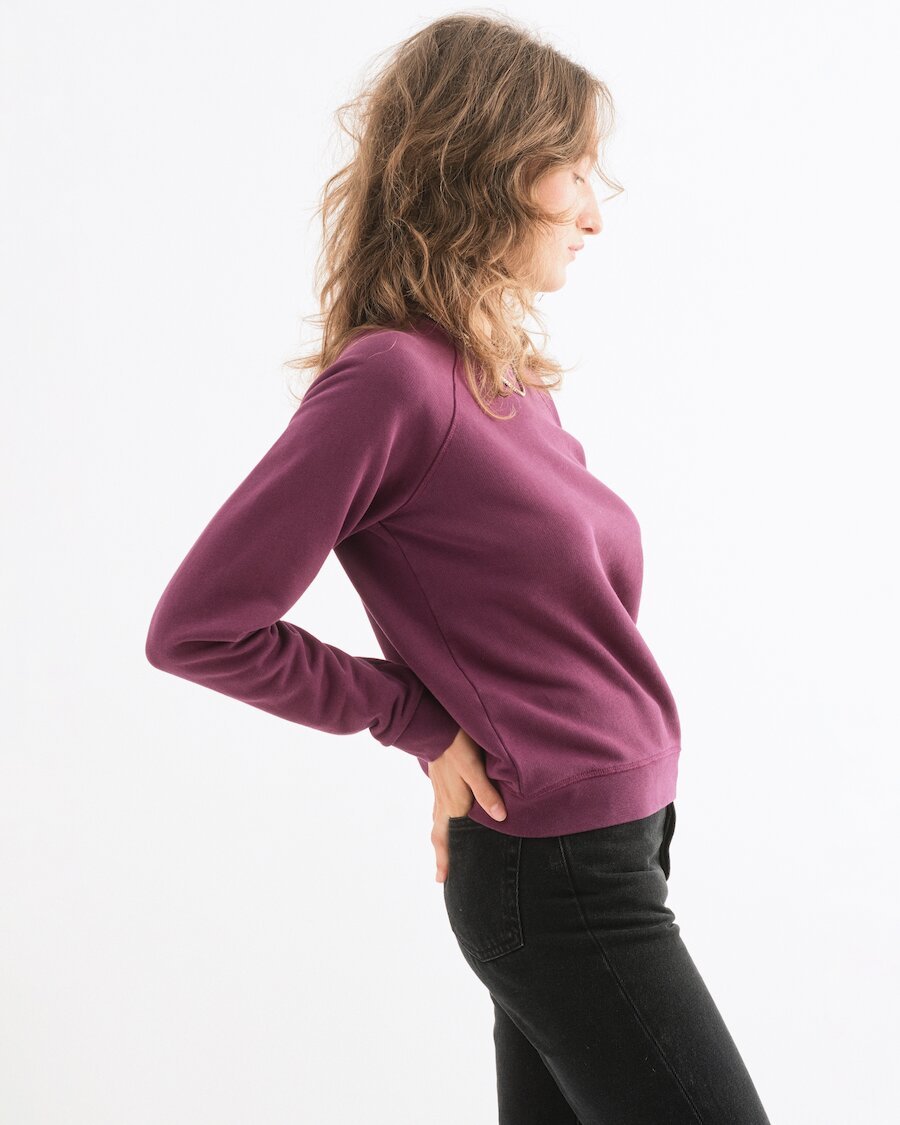
Glein: Conscious Everyday Goods from Vienna
Minimal design, maximum integrity. How a Vienna atelier builds luxury from sustainable materials and European craft.
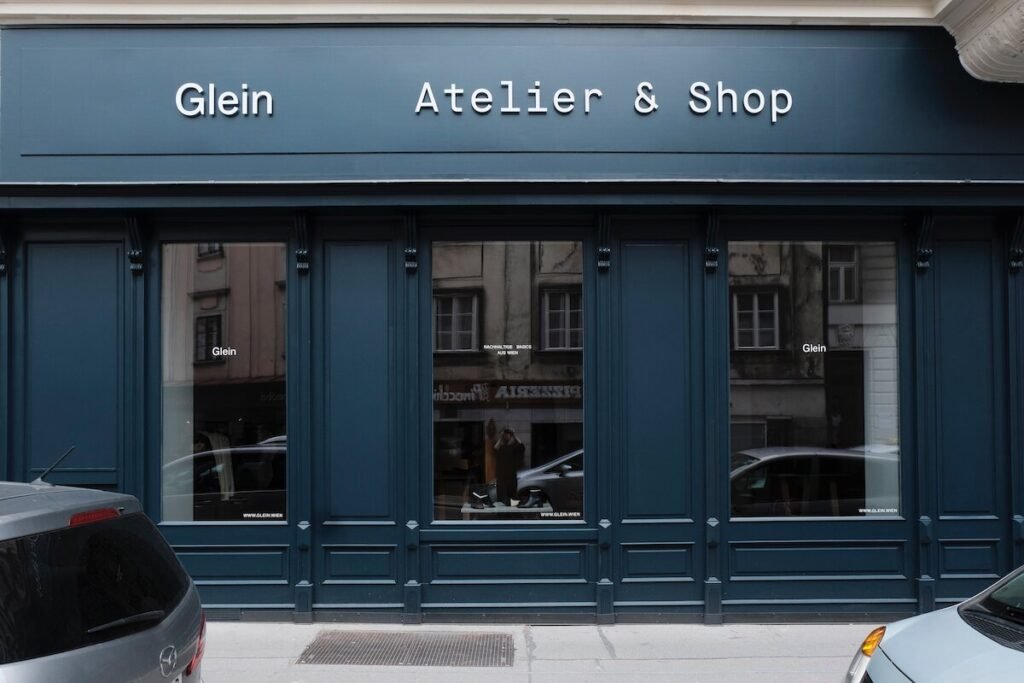
When you prioritize the material, there’s no need to lacquer the edges or to elaborate the design further. The material does everything by itself.
100% made in Europe • Designed & manufactured in Vienna, Portugal, Croatia, and Italy • Visit Glein →
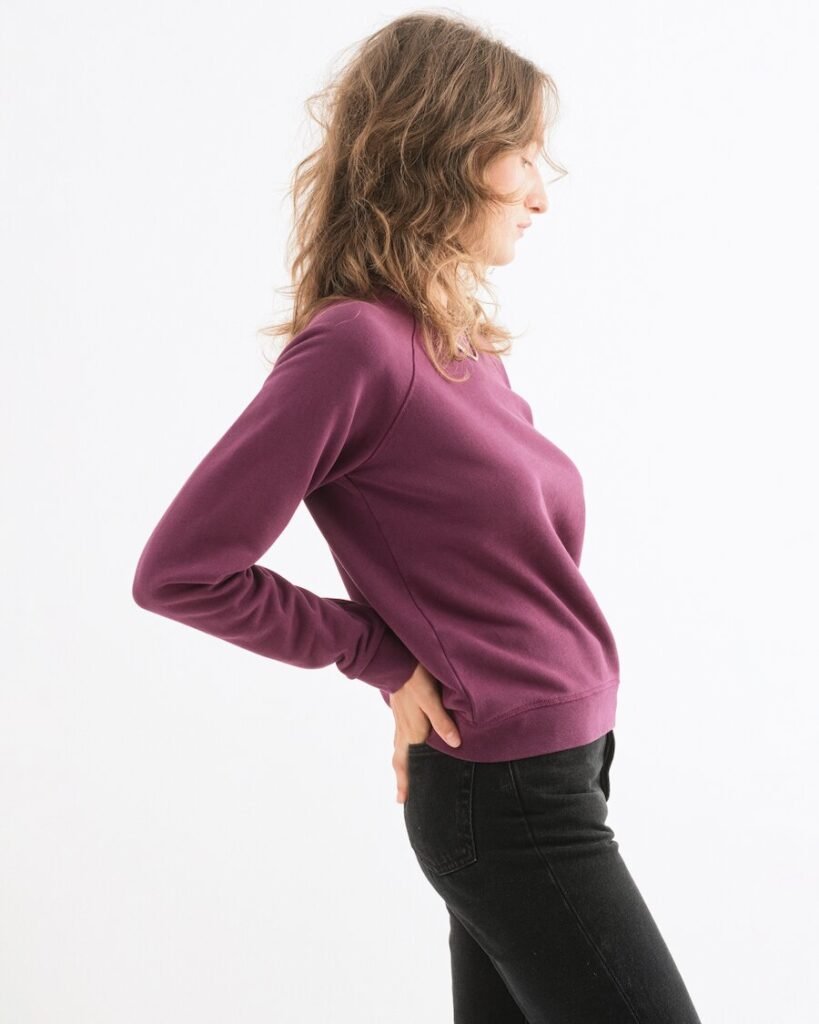
Bio Merino Knitwear

Everyday T-Shirts (Heavy duty)
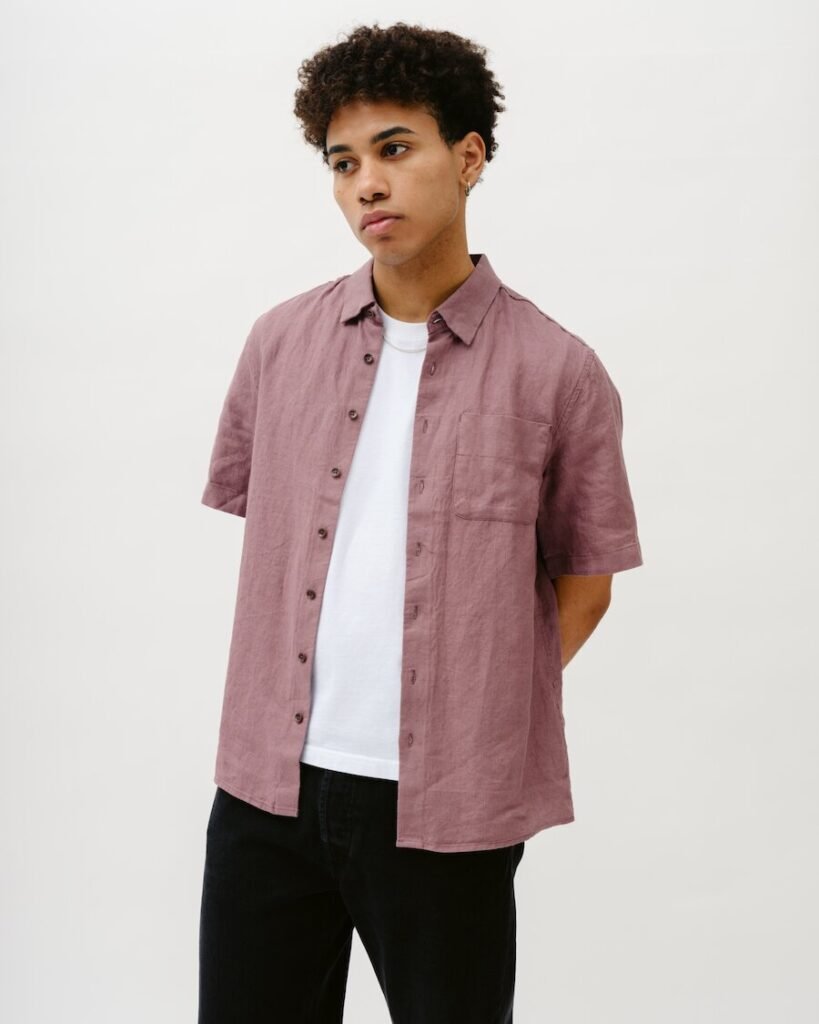
Linen & Cotton Basics
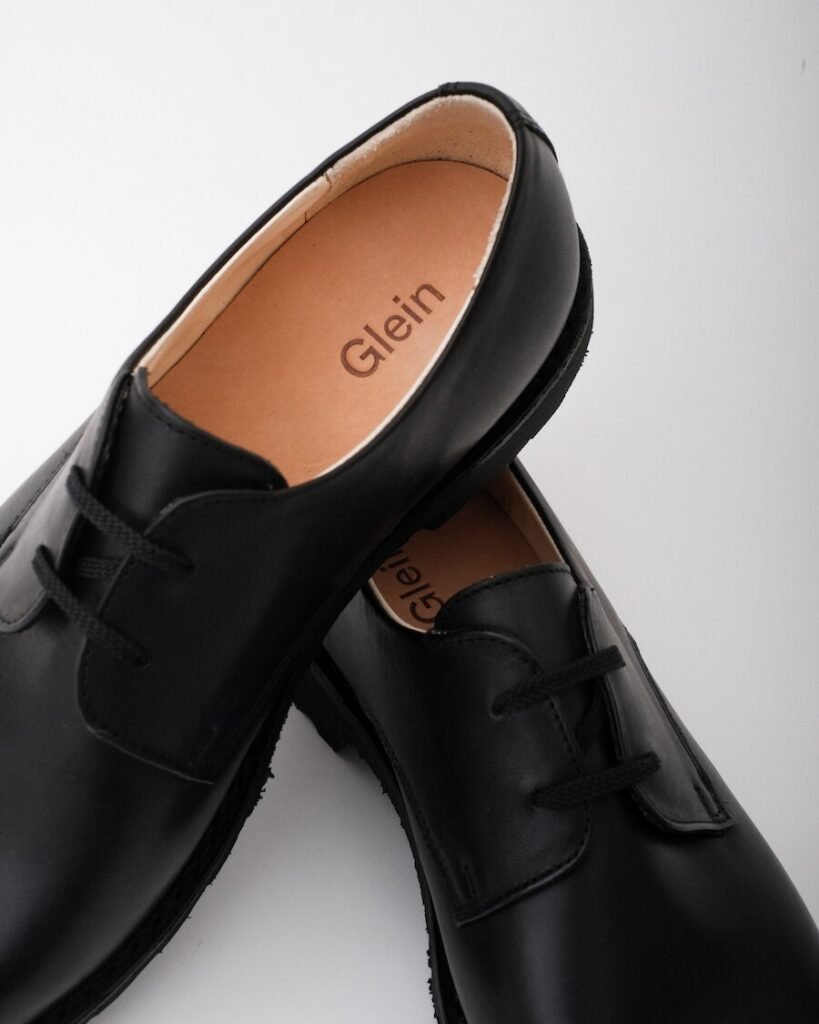
Derby Shoes
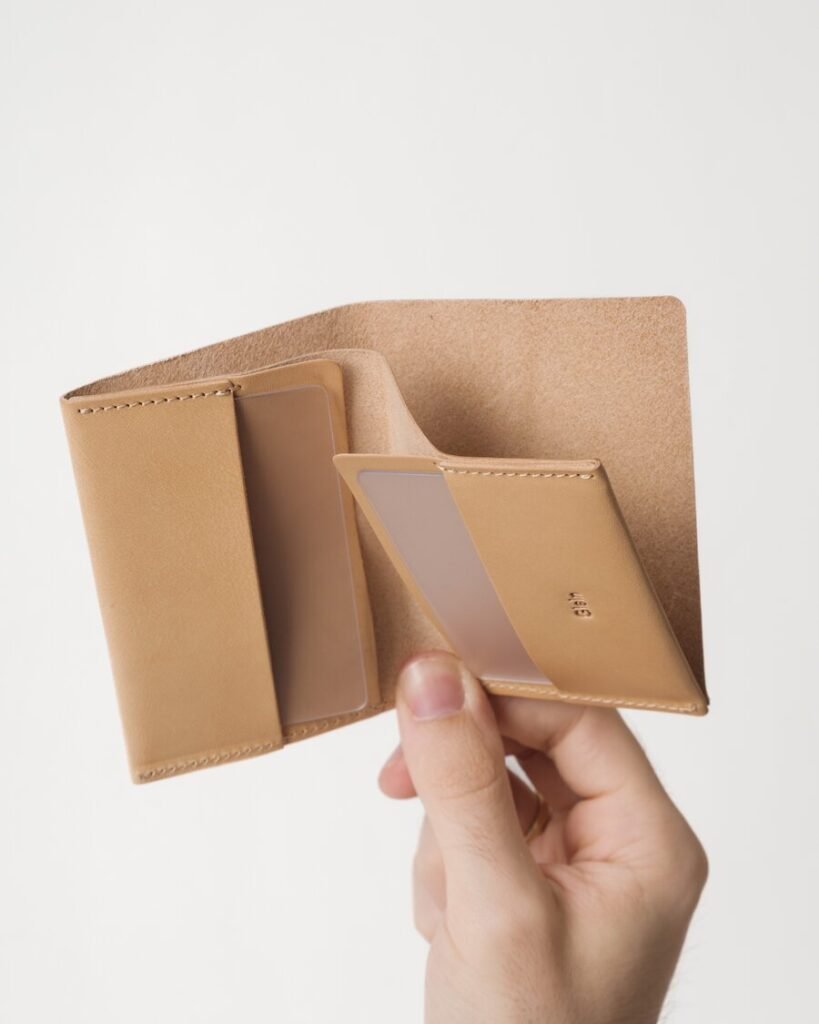
Leather Wallets
Sustainable luxury isn’t a contradiction—it’s a commitment. Glein proves that uncompromising materials, European craft, and ethical production don’t demand premium pricing when you eliminate the middleman entirely. This Vienna studio designs what it wears, produces only what it sells, and charges directly to customers. The result: timeless everyday goods at a fraction of the conventional luxury markup.
Brand Introduction
Glein was founded by product designer Sebastian Leitinger in Vienna, emerging not from fashion ideology but from personal frustration. After years working in design studios where he couldn’t trace products to their material sources, Leitinger decided to build something different: a studio where design, production, sourcing, and sales remained transparent and integrated.
The brand began with shoes—a single everyday shoe that the team wanted to wear—and expanded into clothing, accessories, and furniture. Every item is designed in Vienna and manufactured across Europe in close collaboration with selected workshops: knitwear in Italy, clothing in Portugal, leather goods and shoes in Croatia and Hungary, furniture in Austria. By selling directly through their Vienna atelier and online shop, Glein sidesteps conventional retail margins entirely, passing savings to customers while paying European wages across the entire supply chain.
The Story Behind Glein’s Philosophy
The genesis of Glein’s approach is grounded in material research. When developing the first shoe line, Leitinger and his team spent two summers travelling through Austria, Germany, Eastern Europe, and Italy, speaking directly with manufacturers and leather producers. This wasn’t market research—it was a search for truth within materials.
What they discovered shaped the brand’s entire ethos: there were forgotten craft traditions in Northern Croatia, where shoe-making workshops sustained communities after the 1990s Yugoslav wars. These weren’t cheap labour destinations—they were repositories of specialised skill. Glein’s shoes have been produced in these same Croatian workshops for years, often assembled in locations just forty kilometres from the Austrian border.
The same principle applies to knitwear. Rather than outsourcing to distant factories, Glein collaborates with a family-run manufactory near Porto, Portugal. Their organic Merino wool is spun in Vincenza, Italy, sourced from farms with certified animal welfare standards that prohibit mulesing and chemical deworming. This transparency is not accidental—it’s structural.
Who Is This For?
You’re someone who owns fewer, better things. You count quality in longevity, not price. You’d rather wear one exceptional white t-shirt fifty times than own ten disposable ones. You notice when leather ages beautifully, when organic wool doesn’t itch, when a shoe fits the nuance of your actual body rather than forcing you into predetermined proportions. You’re sceptical of sustainability claims but willing to engage with brands that can trace their supply chain without marketing jargon.
Glein isn’t for fast fashion. It’s for intentional dressing.
| Made in Europe | ✅ 100% |
| Ownership | ✅ Founder-led |
| Company size | Micro (under 15 people) |
| Durability | Hand-stitched construction • Repairable in-house (Vienna atelier) • Materials chosen for longevity and patina development |
Design Philosophy: The Case for Slowness
In an industry obsessed with seasonal collections and trend cycles, Glein works against the grain. The studio operates on a rolling plan of approximately one hundred product ideas—many of which never materialise. When Leitinger developed a sample, he has worn it for up to two years before deciding if the design worked. This isn’t perfectionism; it’s the only honest way to know if something is truly good.
The design language is almost aggressively minimal: no mood boards, no trend reports, no collections designed as coordinated sets. Instead, each product is developed in isolation, with materials chosen for their tactile and performance qualities rather than aesthetic trends. A t-shirt isn’t minimal because minimalism is fashionable—it’s minimal because anything extra would be noise.
This slowness extends to expansion. Glein remains a small operation: the Vienna atelier employs a dedicated team, hours are modest (Monday–Saturday, 12–18), and the brand has resisted venture capital and rapid scaling. This isn’t a brand aiming to displace fast fashion. It’s a brand aiming to prove a different model is viable.
Materials: Intentional Sourcing
Every decision at Glein begins with material selection. The studio works almost exclusively with European-sourced materials: Italian Vacchetta leather (vegetable-tanned, developing character over time), certified organic Merino wool from Portuguese spinners, organic cotton from vetted producers, and European linens.
Organic Merino Wool deserves particular mention. Glein uses only exceptionally heavy, organically certified Merino in extraordinary fineness, knitted in Barcelos. The wool is sourced from farms where animal welfare isn’t an afterthought—it’s mandated. Certified organic farming ensures sheep live on extensive pastures, that mulesing is prohibited, and that working conditions throughout the supply chain meet strict standards. The technical benefits are substantial: Merino can absorb up to 35% of its weight in moisture while maintaining warmth, and its natural lanolin content makes it naturally water and dirt-repellent, dramatically reducing the need for washing.
Italian Vacchetta Leather is vegetable-tanned using traditional methods with no synthetic finishes. This means the leather develops patina—it ages visibly, acquiring character and depth over years of use. It’s not fashionable in the conventional sense; it’s timeless[17].
How Glein Stays Affordable (Without Compromise)
This question puzzles most observers: how does Glein offer premium materials and European production at prices that don’t require luxury budgets?
The answer reveals more about conventional retail than Glein’s genius. Typical fashion brands operate on a model where retail markups consume 50–80% of the retail price. Glein eliminates this layer entirely by selling directly through its Vienna atelier and online shop. This single decision cascades: smaller production batches reduce waste, no transcontinental shipping is needed, no commission for distributors or wholesalers, no overstock to liquidate.
The cost savings are passed entirely to customers. A premium t-shirt in Italian Vacchetta leather or organic Merino knitwear costs less at Glein than similar-quality items cost at conventional luxury retailers—not because corners are cut, but because Glein refuses to pay intermediaries.
This model also means slower growth. There’s no venture capital scaling Glein into dozens of cities. The Vienna atelier remains the primary retail space. You can order online across the EU, but the brand’s growth is consciously constrained. This isn’t a limitation—it’s the entire point.
Visiting Glein in Vienna
The atelier and shop occupy a corner space in Vienna’s 7th district, walking distance from the Volkstheater. Inside, you’ll find a working studio where photography, design, and retail coexist. The team handles repairs on leather goods directly—bring a worn wallet or bag and they’ll stitch it back together while you wait.
Hours: Monday–Saturday, 12:00–18:00
Address: Neustiftgasse 18, 1070 Wien, Austria
Phone: +43 681 20949479
Email: info@glein.wien
DISCLAIMER Sustainability score is subjective. InEurope.eu finds this crucial, but conducts no audits. Assessment based on publicly available information and brand feedback
Every week we spotlight a new 100% European maker.
Seen a brand we should feature? Drop us a line at https://ineurope.eu/contact-us — we read every single suggestion.
The information on this blog has been presented to the brand but not yet been verified.