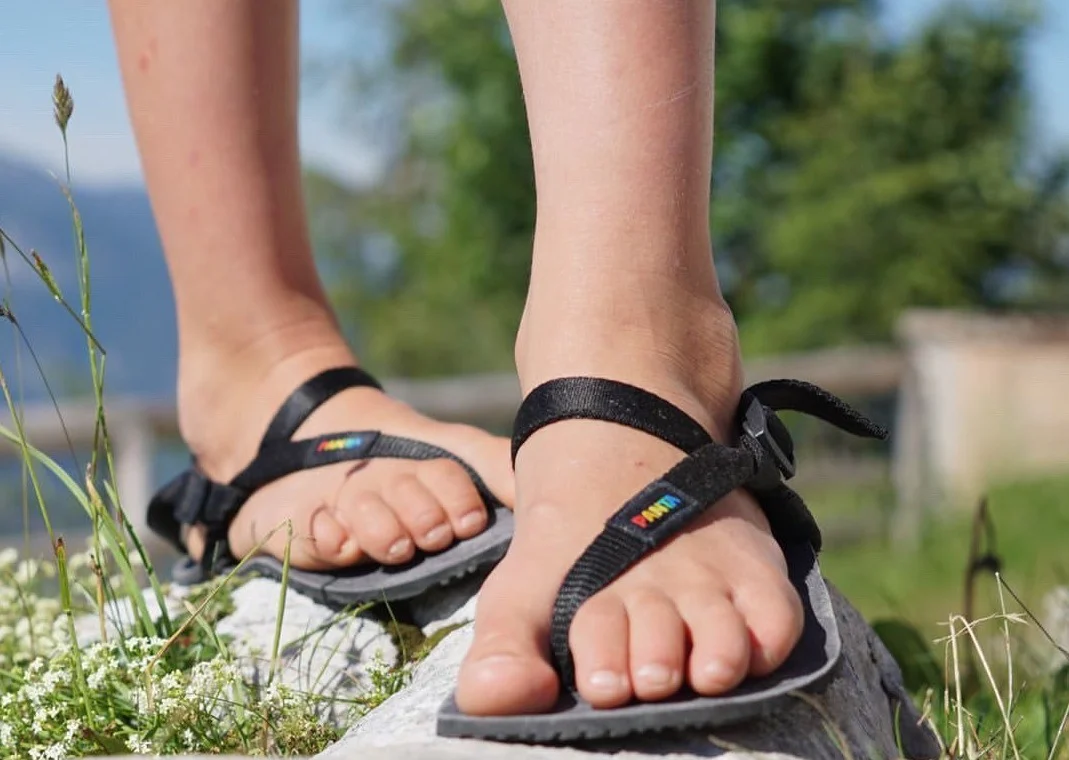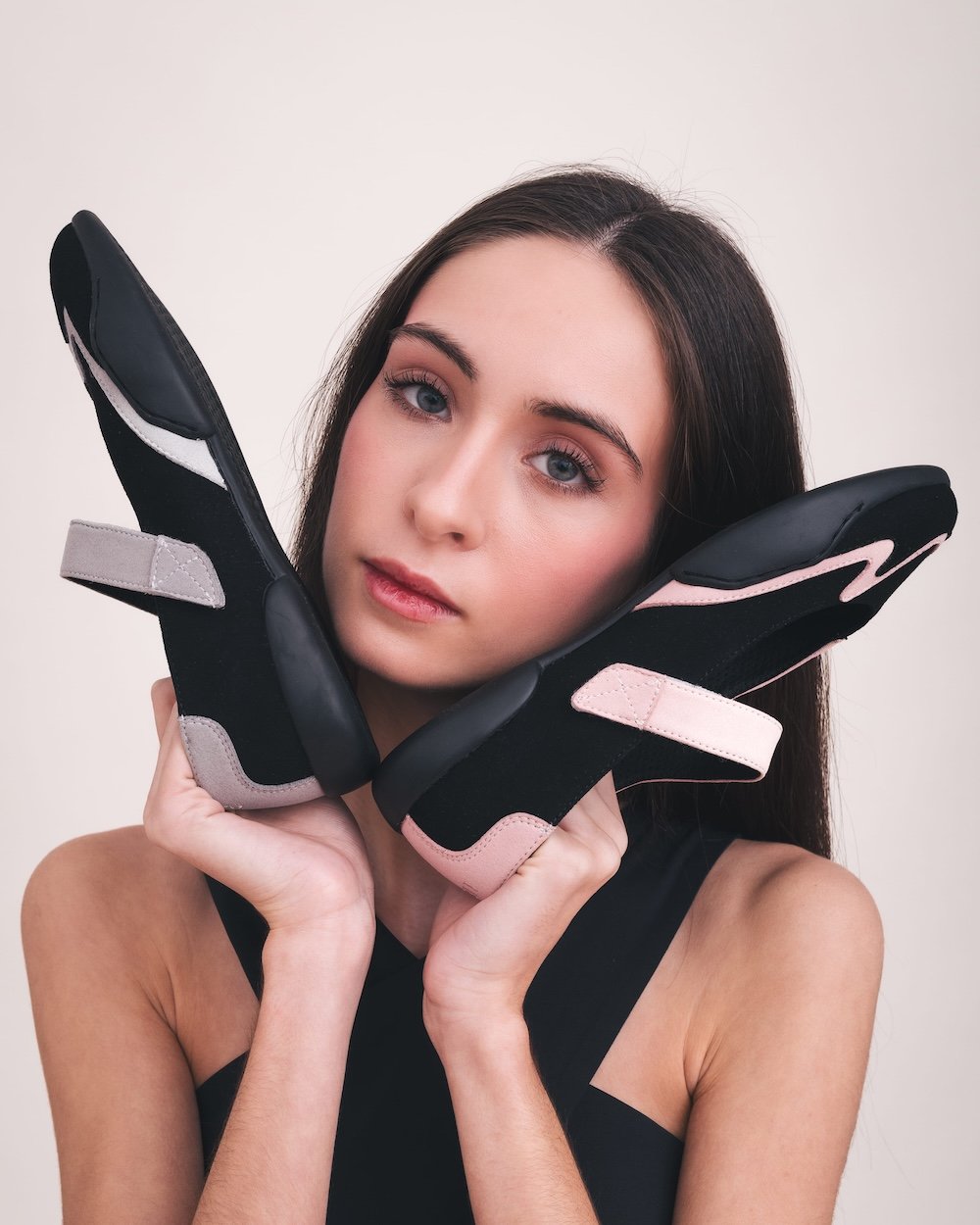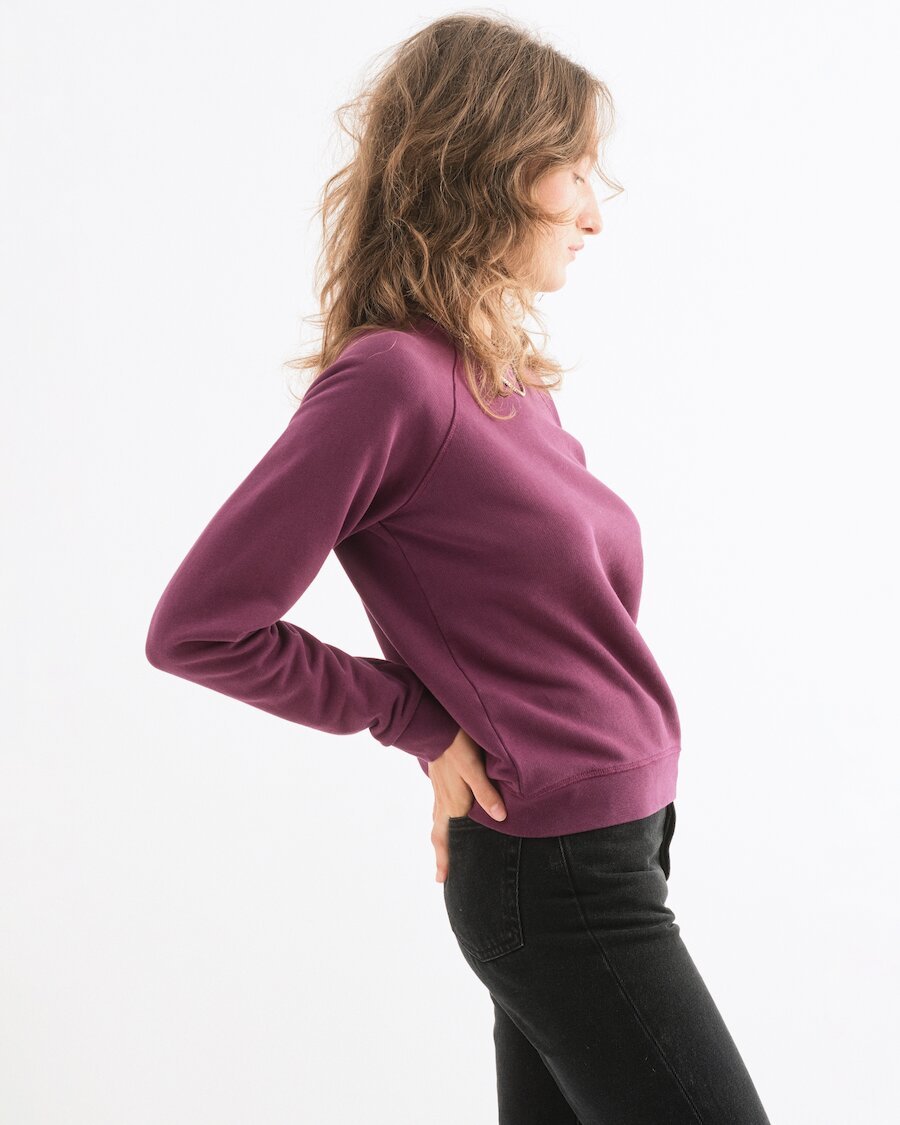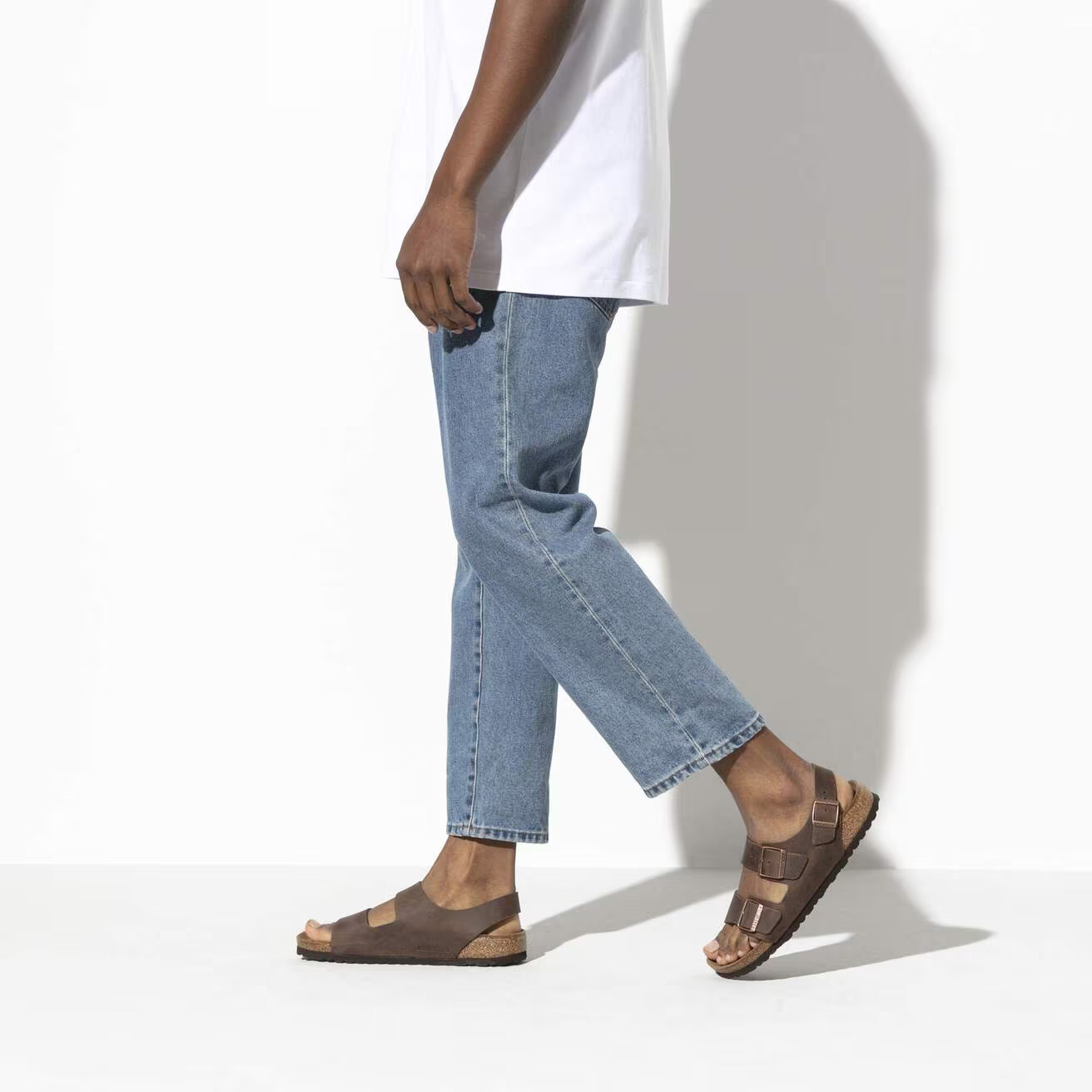
Birkenstock Sandals & Footwear from Germany
Two and a half centuries of cork-footbed craftsmanship, still engineered and assembled exclusively in the EU
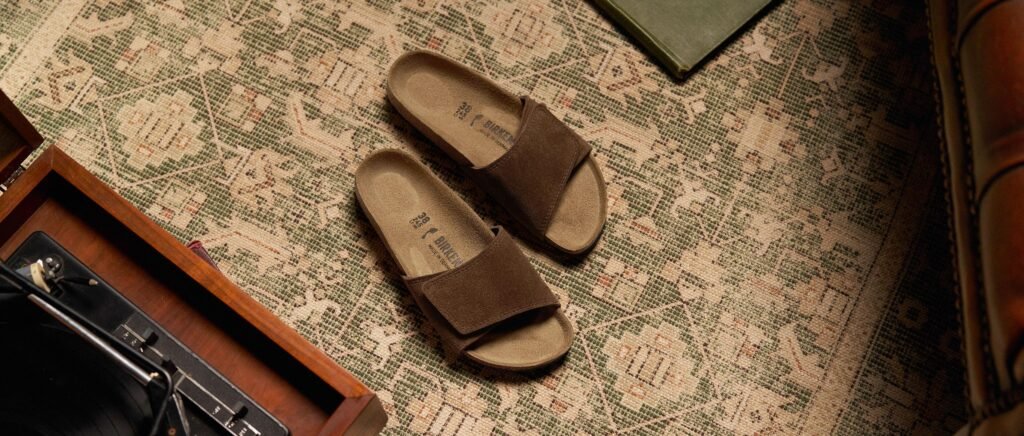
Birkenstock’s shoemaking tradition dates back to 1774, and with that heritage comes a deep understanding of our craft.
100% EU-assembled • All footbeds engineered & produced in Germany • VISIT BRAND →
| Price | Sustainability | Availability |
|---|---|---|
| €€€ | ★★★★ | Global — online & retail |
(€ = budget | €€ = mid | €€€ = premium | €€€€ = luxe) (★★★★★ = heirloom + zero-waste preorder |
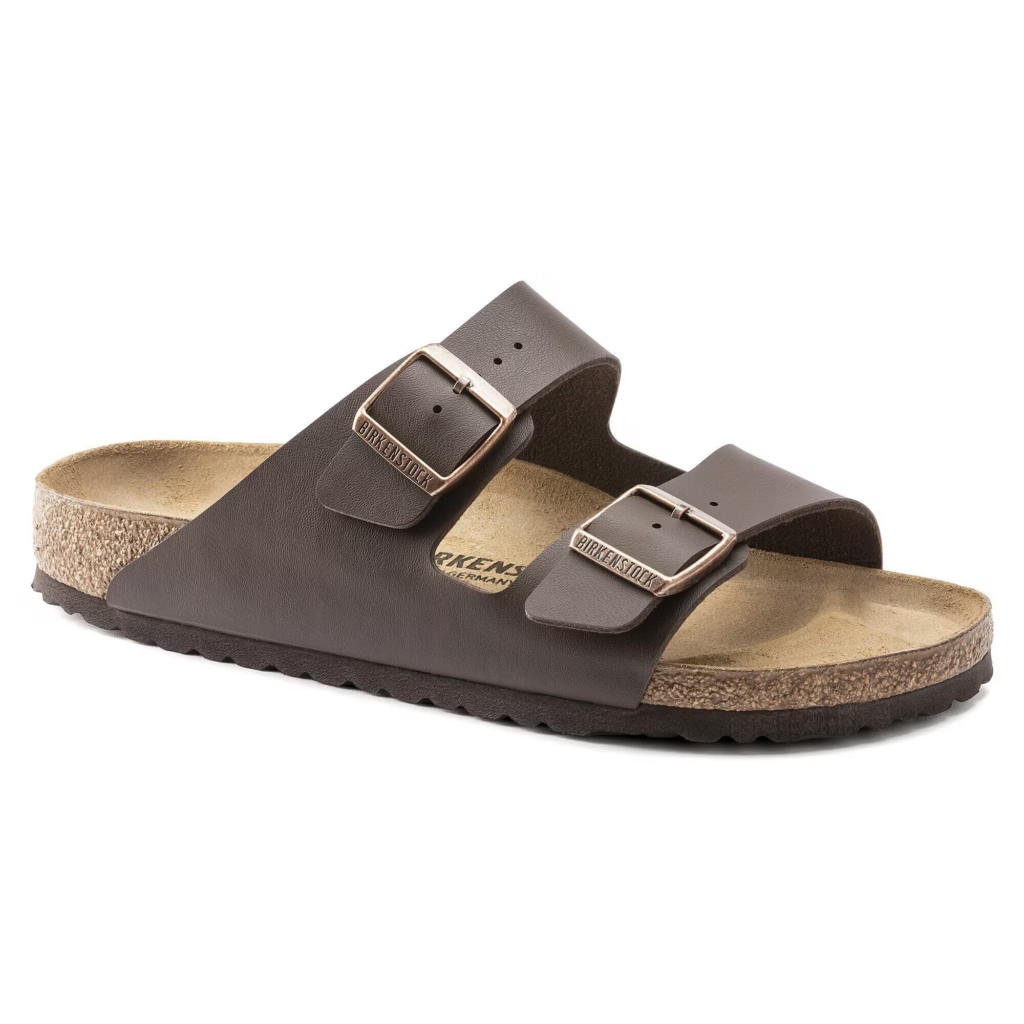
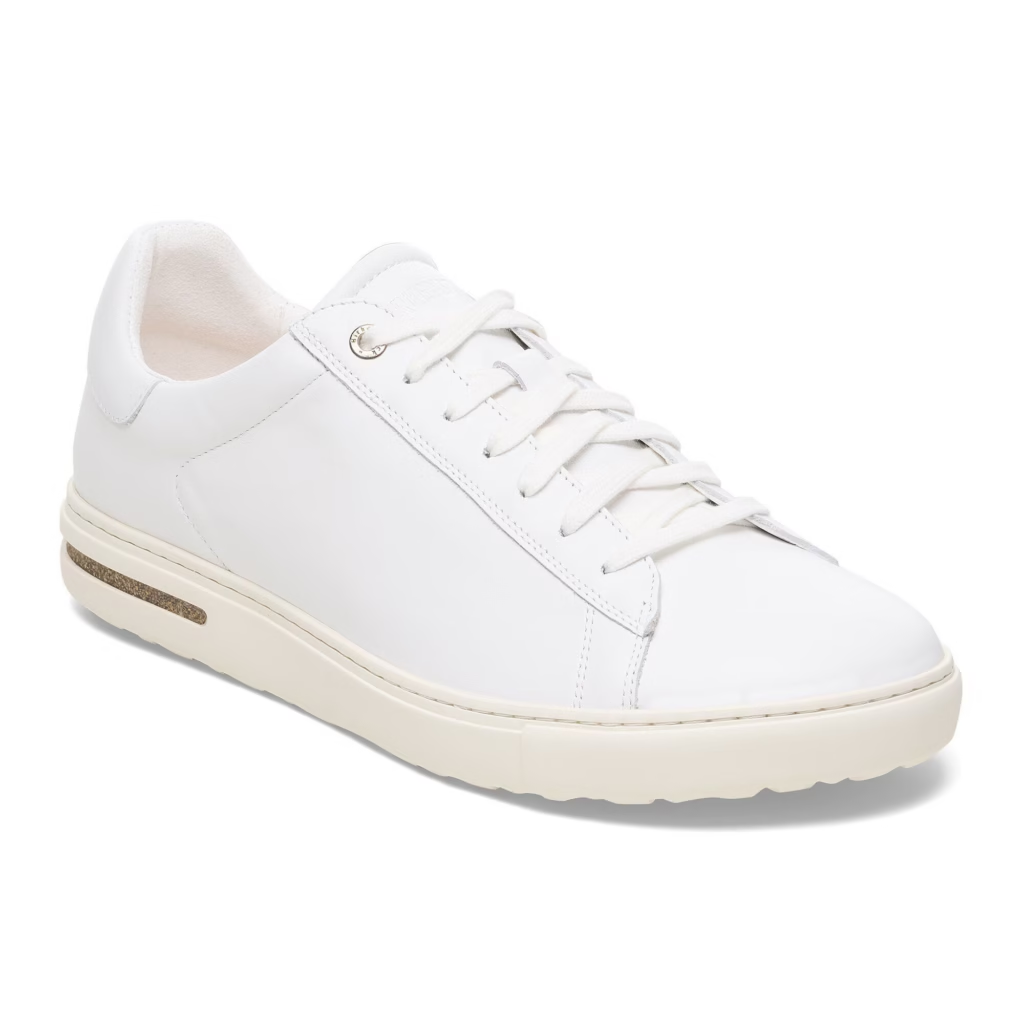
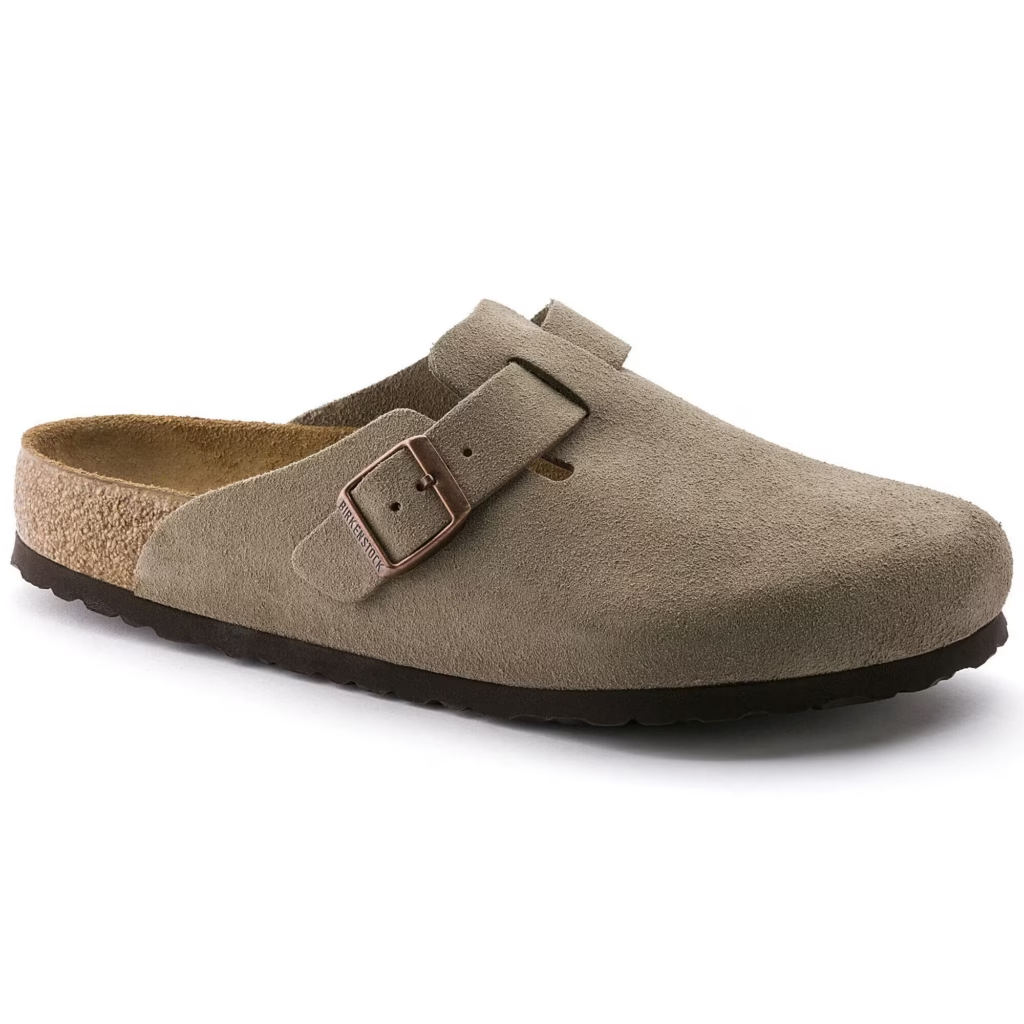
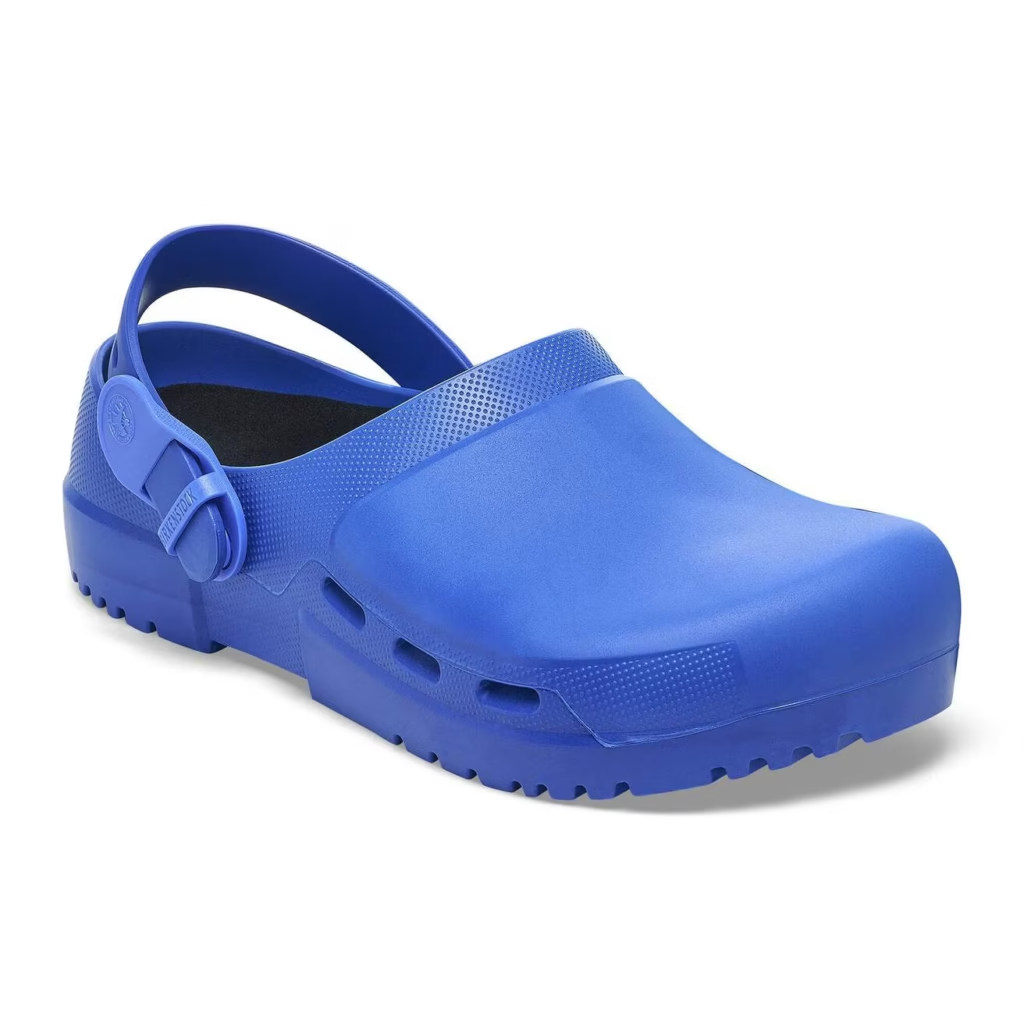
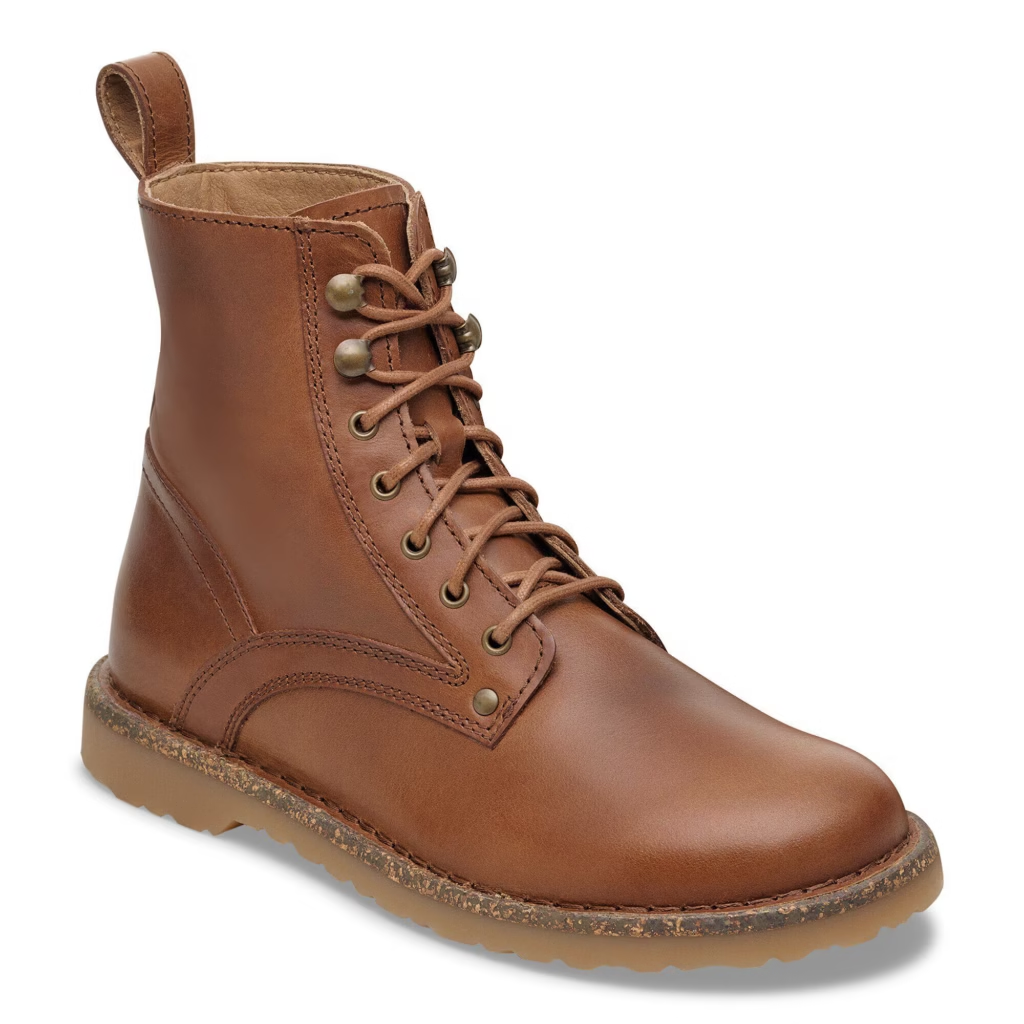
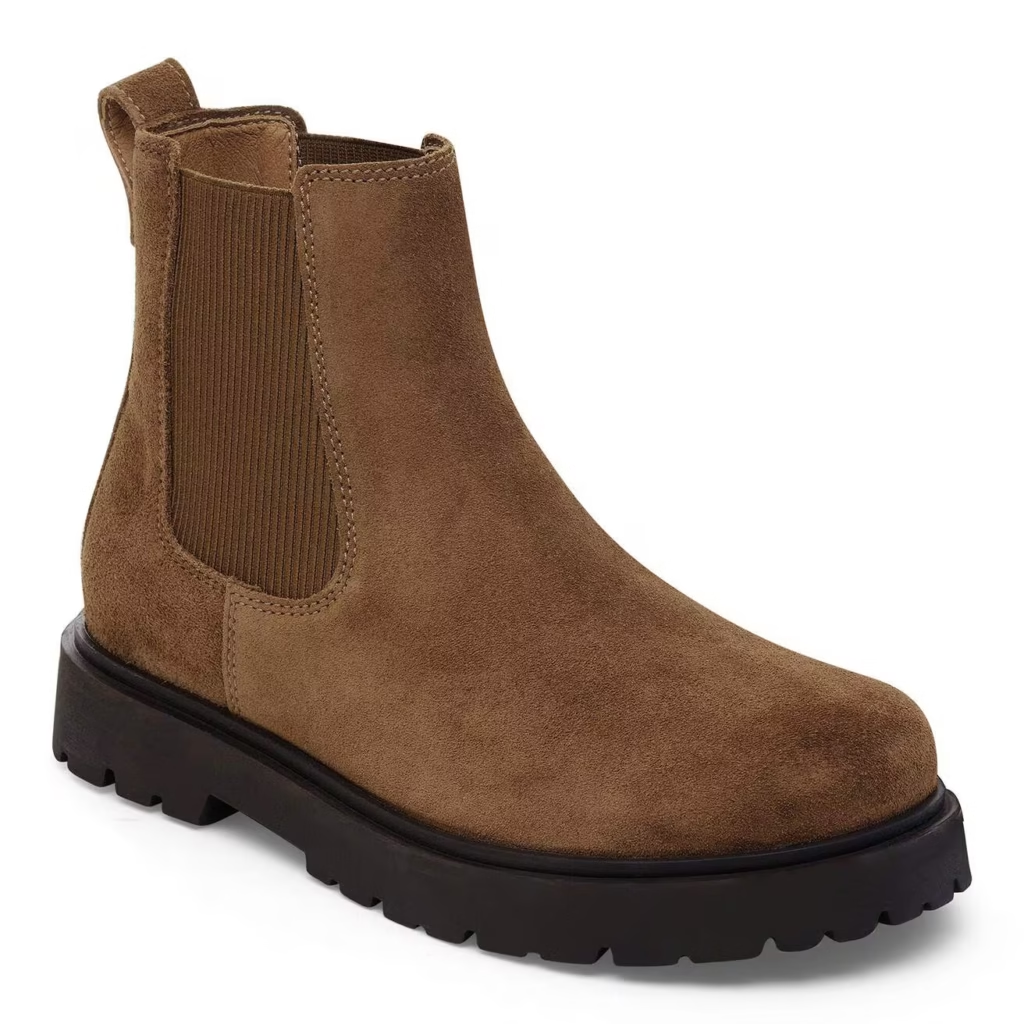
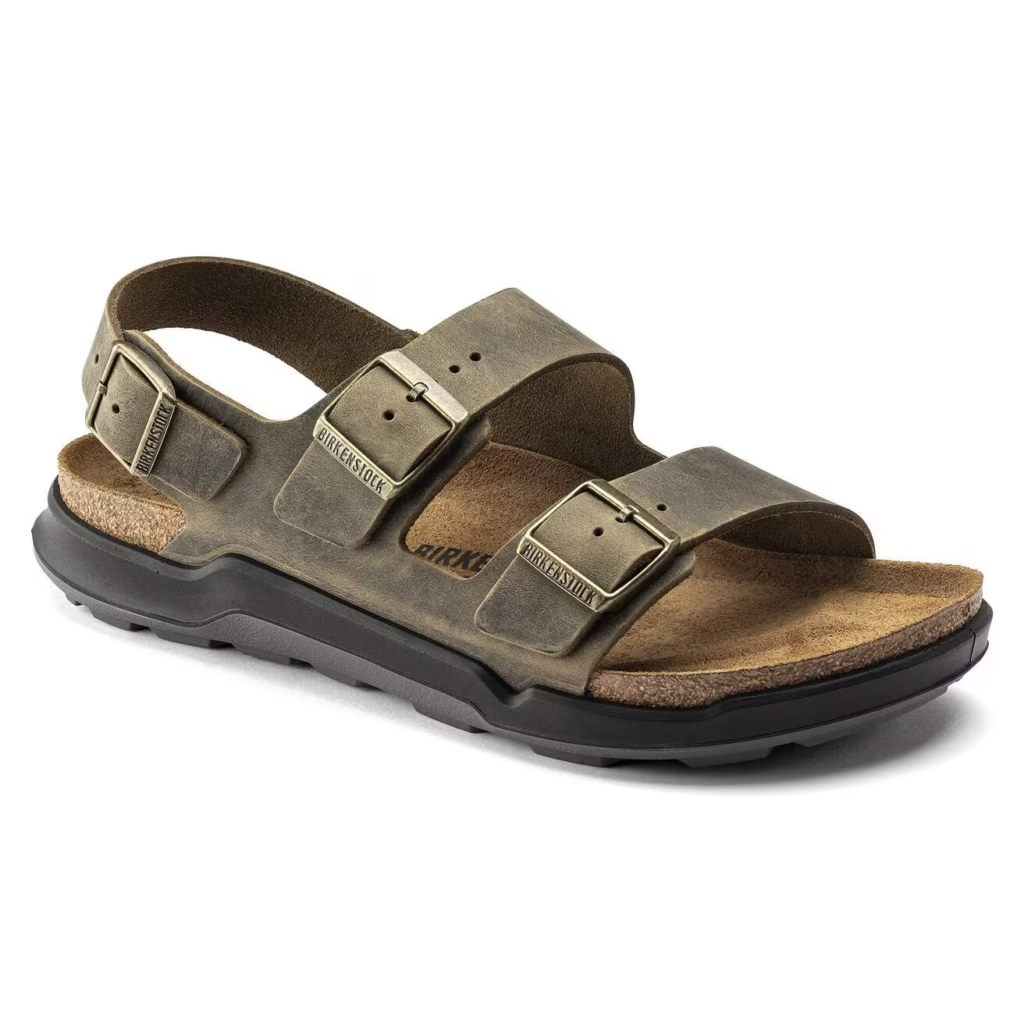
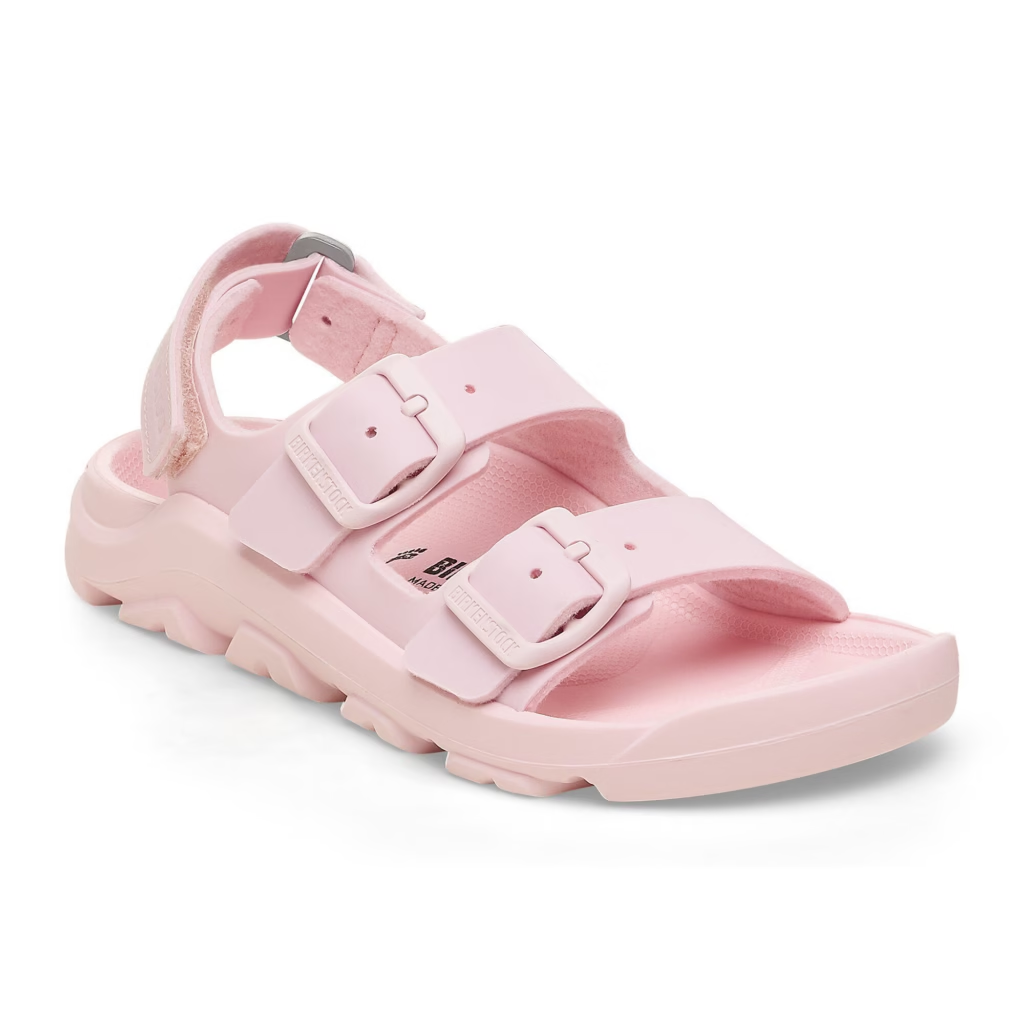
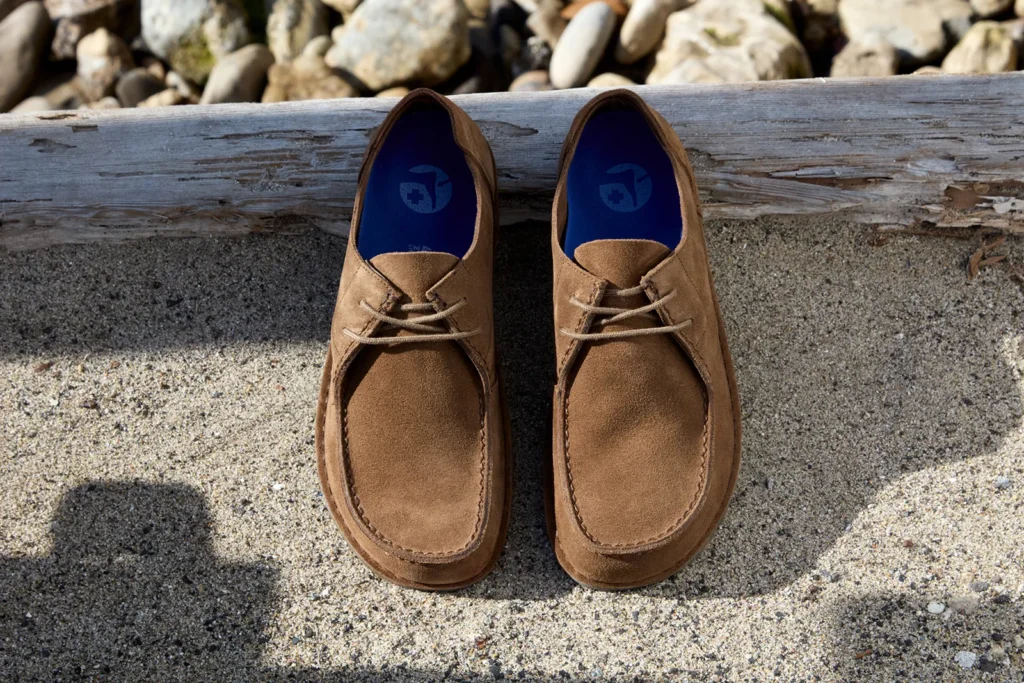
Most sandals are disposable — bought in spring, binned in autumn. Birkenstock was designed around the opposite idea: a footbed made from cork and latex that physically adapts to your foot over time, growing more comfortable the longer you wear it. This is not a recent brand story. It is a German manufacturing philosophy that has been in continuous production since 1774.
Brand Intro
Birkenstock was founded in 1774 by Johann Adam Birkenstock and is headquartered today in Neustadt (Wied), Rhineland-Palatinate, Germany. The company produces sandals, clogs, closed shoes, and accessories, all built around its signature cork-and-latex footbed. Production runs across four German factories — in Görlitz, Bernstadt, Sankt Katharinen, and Steinau — plus one facility in Portugal, with all footbeds produced in Germany and all final assembly conducted exclusively within the EU. Leather is sourced predominantly from suppliers in Italy and Spain.
Inspiring Story
The cork footbed that defines the brand was first developed in 1902 by Konrad Birkenstock, who created a flexible inlaid arch support at a time when flat, unsupportive soles were standard. In the 1960s, Margot Fraser encountered the sandals during a health trip to Germany and introduced them to the American market — initially through health food stores. Today, two football fields’ worth of leather are cut each day across Birkenstock’s German factories. Even when the brand has collaborated with houses like Dior, Rick Owens, and Jil Sander, one thing has never been negotiable: nobody is allowed to change the footbed.
Who is this for?
You have worn sandals your whole life — and then you put on a Birkenstock for the first time, and something shifts. Not metaphorically: the cork footbed physically moves. It absorbs your weight, maps the exact shape of your heel and arch, and over weeks becomes a negative imprint of your foot that no other shoe can replicate. That fit belongs to you alone.
You are not chasing a trend. You want footwear that feels better on day 300 than it did on day one — because the sole has had 300 days to learn your foot. And yes, it will last for years. But that is almost a side effect. The reason you come back is the comfort you simply cannot find anywhere else.
| Made in Europe | ✅ Germany + Portugal — all footbeds produced in Germany; final assembly exclusively EU |
| Ownership | ✅ Corporate — listed on NYSE |
| Company size | Large (250+) |
| Durability | Footbeds are replaceable; designed for multi-decade use; resoling services available through specialist retailers |
DISCLAIMER Sustainability score is subjective. InEurope.eu finds this crucial, but conducts no audits. Assessment based on publicly available information and brand feedback
The information on this blog has been presented to the brand but not yet been verified.
Every week we spotlight a new 100% European maker.
Seen a brand we should feature? Drop us a line at https://ineurope.eu/contact-us — we read every single suggestion.
Have a visit and see a huge collection of eco-friendly clothing brands.